Choosing the Right 4×4 Bullbar
Bullbars, made of robust aluminum and steel, are commonly installed on the front of four-wheel-drive vehicles. While they can be mounted on any vehicle, they are predominantly found on SUVs and off-road vehicles, serving as a shield against animal and minor collisions. With its name indicating its purpose, the bullbar is designed to safeguard the front end of the vehicle.
When driving through rural areas, it is essential to have roadside protection for cars and trucks. Consequently, an off-road vehicle necessitates the inclusion of a bull bar. Various configurations of bullbars, grill guards, and bumper guards are now available to cater to a wide range of needs. You might have come across a customized version called a “nudge bar,” commonly seen on police cars. These bars enable officers to safely immobilize a fleeing vehicle using the “PIT” technique.
DIFFERENCE BETWEEN A WINCH BAR AND BULL BAR
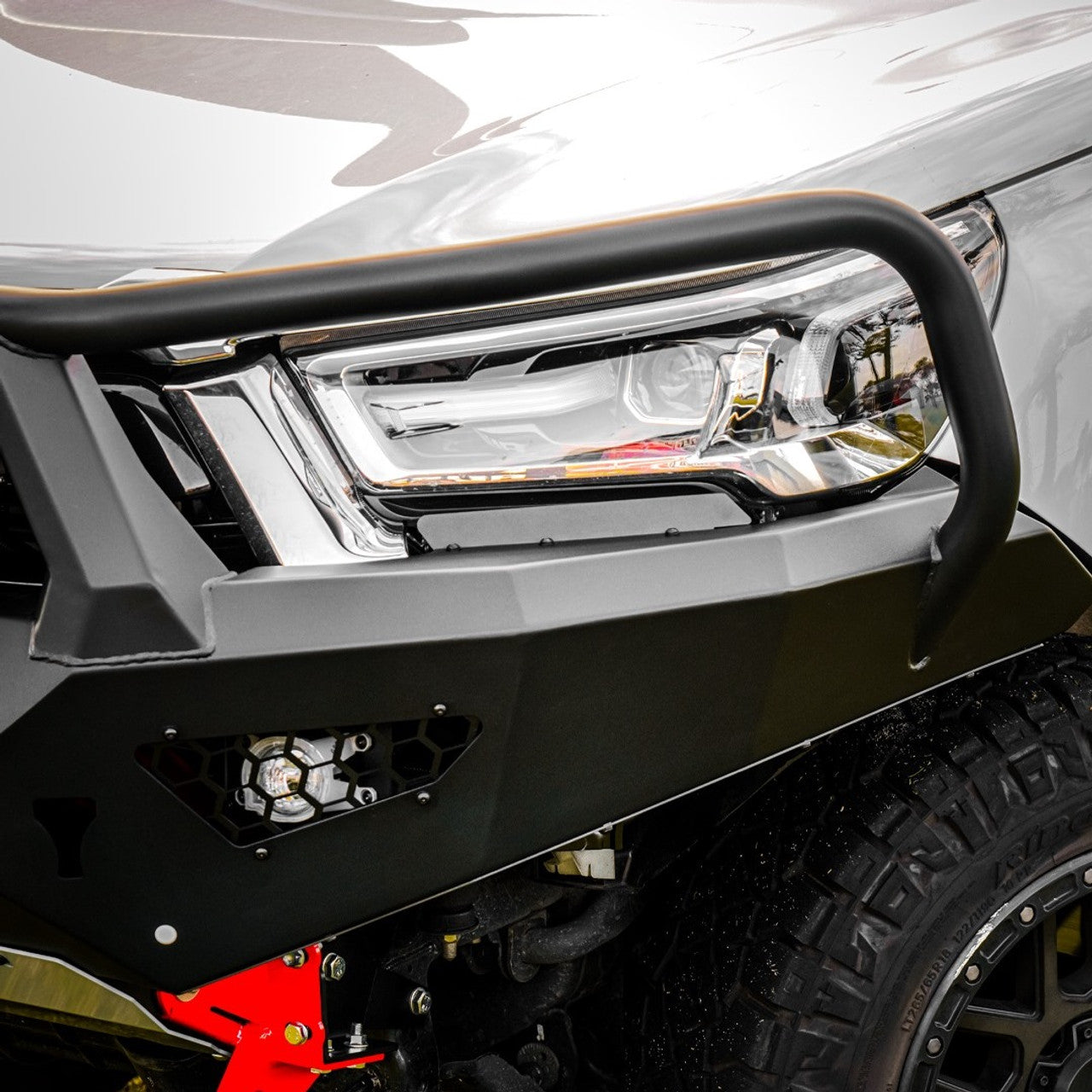
As mentioned earlier, a bullbar serves as a protective device installed at the front of a vehicle to provide defense against trees, barriers, and animals. Conversely, a winch bar is essentially a bullbar equipped with a mounting point for a winch. This type of bar is designed to securely hold a winch in position. When selecting winch bars, numerous 4WD drivers opt for those crafted from steel due to their assured durability. However, it is important to highlight that not all steel bullbars can be classified as winch bars.
WINCH COMPATIBILITY
Deciding whether to equip your bar with a winch presents a significant challenge. While the front appearance of the bullbar may seem unchanged, the crucial distinction lies in its ability to securely accommodate and bear the weight of a 4WD winch. Certain bars are designed to be winch-compatible, while others are not. It is occasionally possible to attach a bullbar to a non-compatible structure, although achieving this without modifying the existing bar is not always feasible.
WEIGHT
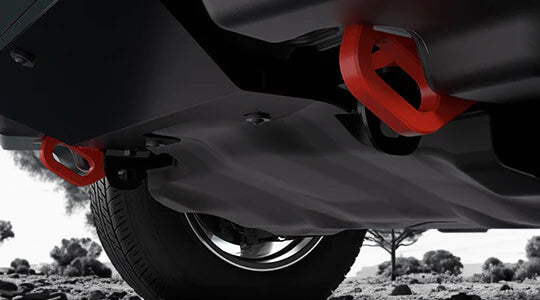
Overloading your 4WD is ill-advised as it adds excessive strain on all components, leading to increased fuel consumption and exceeding cargo and axle limits. Each item you load onto or into your 4WD decreases its overall capacity and often results in surpassing the recommended limit. It’s crucial to carefully assess your payload capacity and axle rating, particularly when adding heavy items such as bars to your vehicle.
STYLES OF BULLBARS
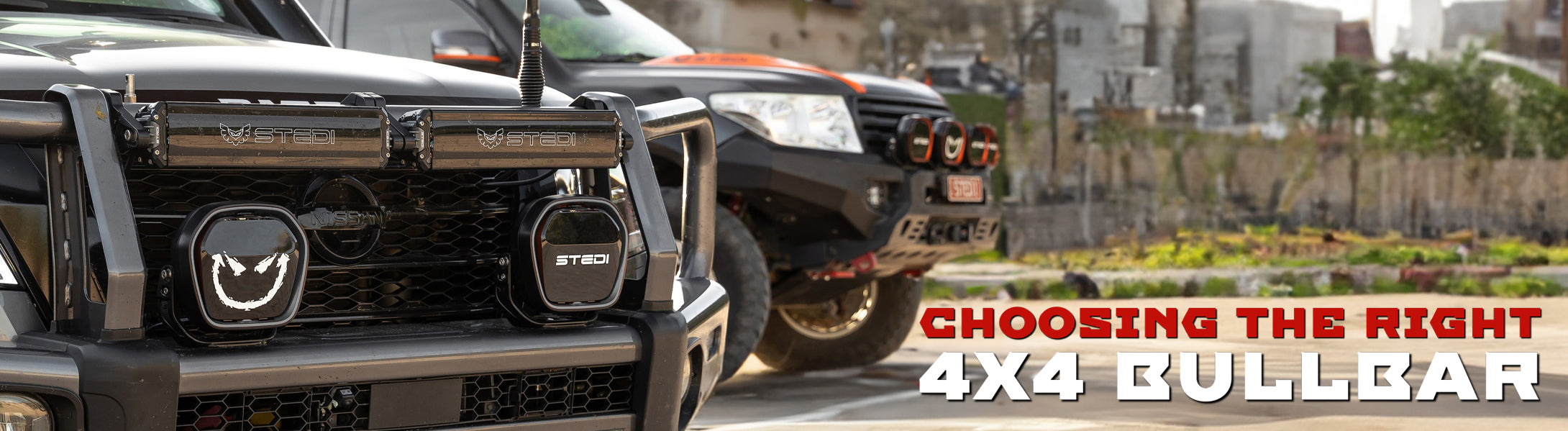
There exists a wide range of bars, which can be classified based on their shapes and materials. Presented below is an overview of each type.
TRIPLE HOOP
Ideal for routes prone to collisions, these bars are the heaviest and offer the highest level of protection.
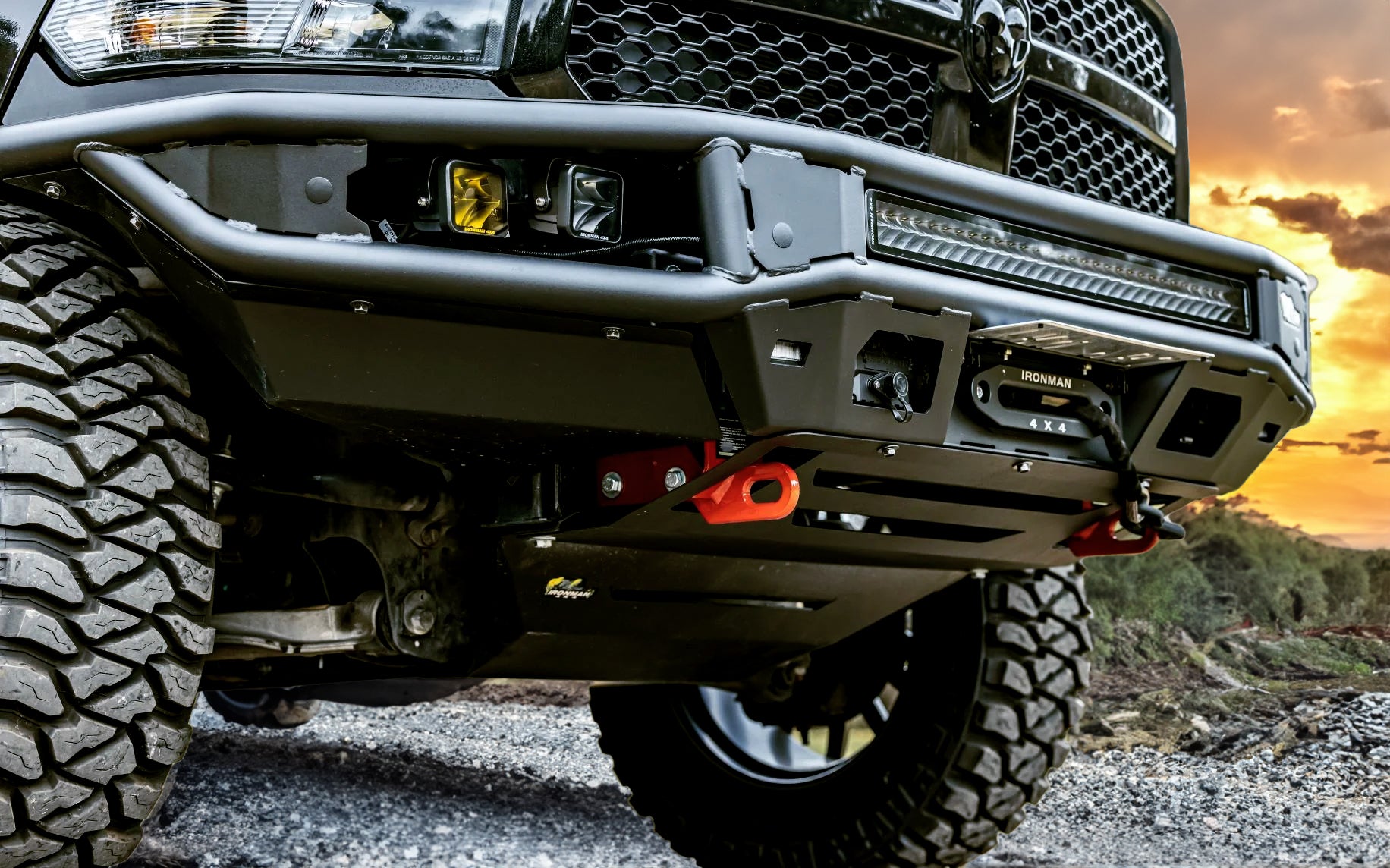
SINGLE HOOP
The hoop bar, a singular component, effectively balances both front-end performance and weight protection. The car’s radiator receives protection through a sole brace located on the grill.
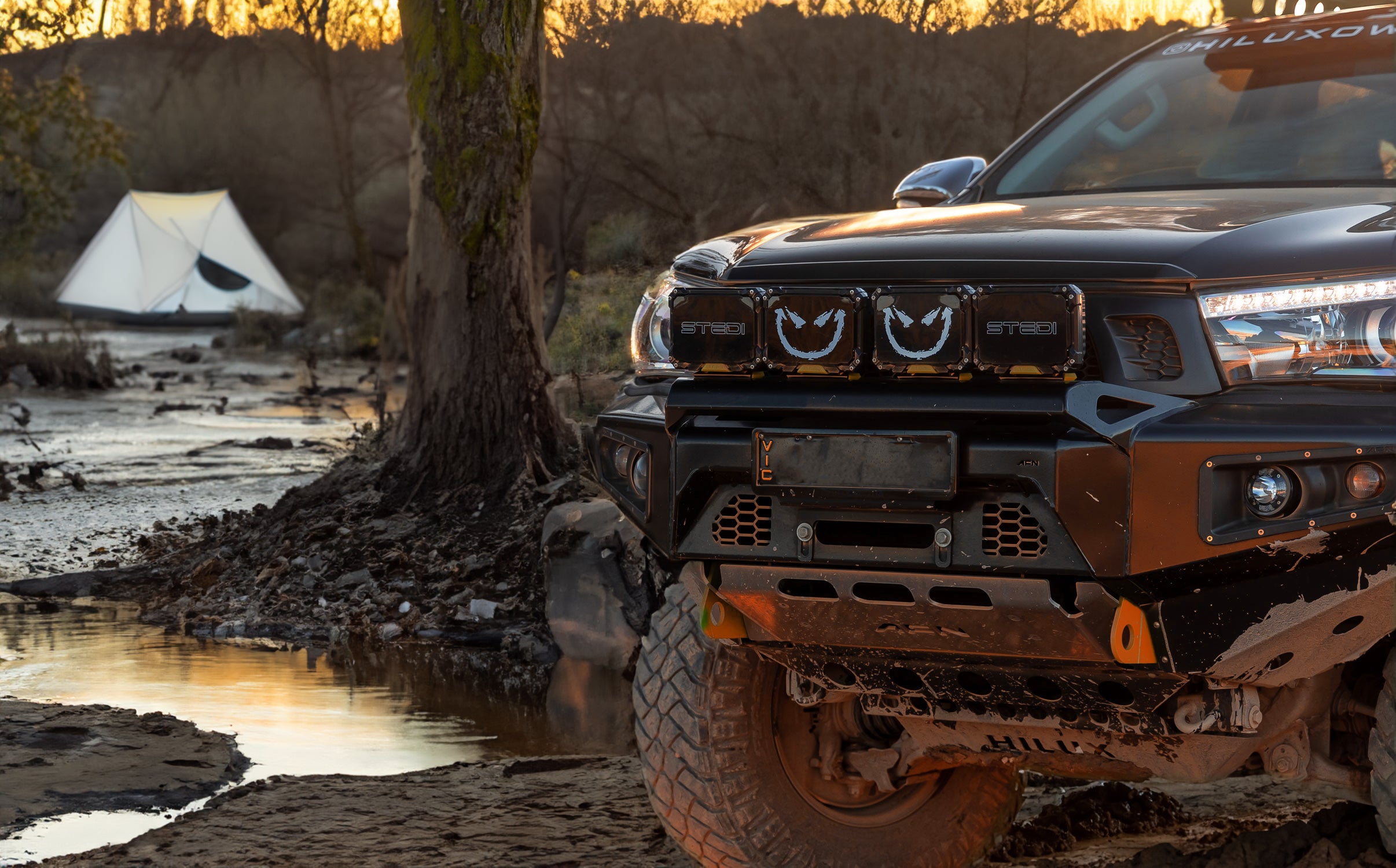
NUDGE BAR
When it comes to significant collisions, a nudge bar proves to be quite ineffective as it is primarily designed for minor impacts such as maneuvering through foliage and debris. Certain individuals obtain them more for aesthetic purposes rather than practical functionality.
WHY ARE THEY IMPORTANT?
Here are some benefits of having these bars on your vehicle.
VEHICLE PROTECTION
Vehicles used on rough trails often sustain damage from various sources such as rods, stones, logs, and other minor incidents. Installing bars can provide protection to the vehicle’s frame, headlights, and bumpers, guarding against these potential damages.
OFFER PASSENGER PROTECTION
In instances of collisions or accidents, these bars play a crucial role in minimizing the intensity of impacts. By hindering the dispersion of high energy within the vehicle, they effectively diminish the impact’s potency. Such a life-saving advantage greatly benefits all passengers involved.
OFFER MOUNTING ACCESSORIES
Bars serve as excellent mounting rails for accessories such as antennae, lights, and flags, providing them with a sturdy foundation. Typically durable, these bars ensure a solid support for these items. Additionally, the rugged bumper effectively secures the accessories in place, preventing them from dislodging during high-speed travel over rough terrain.
MOUNTING WINCHES
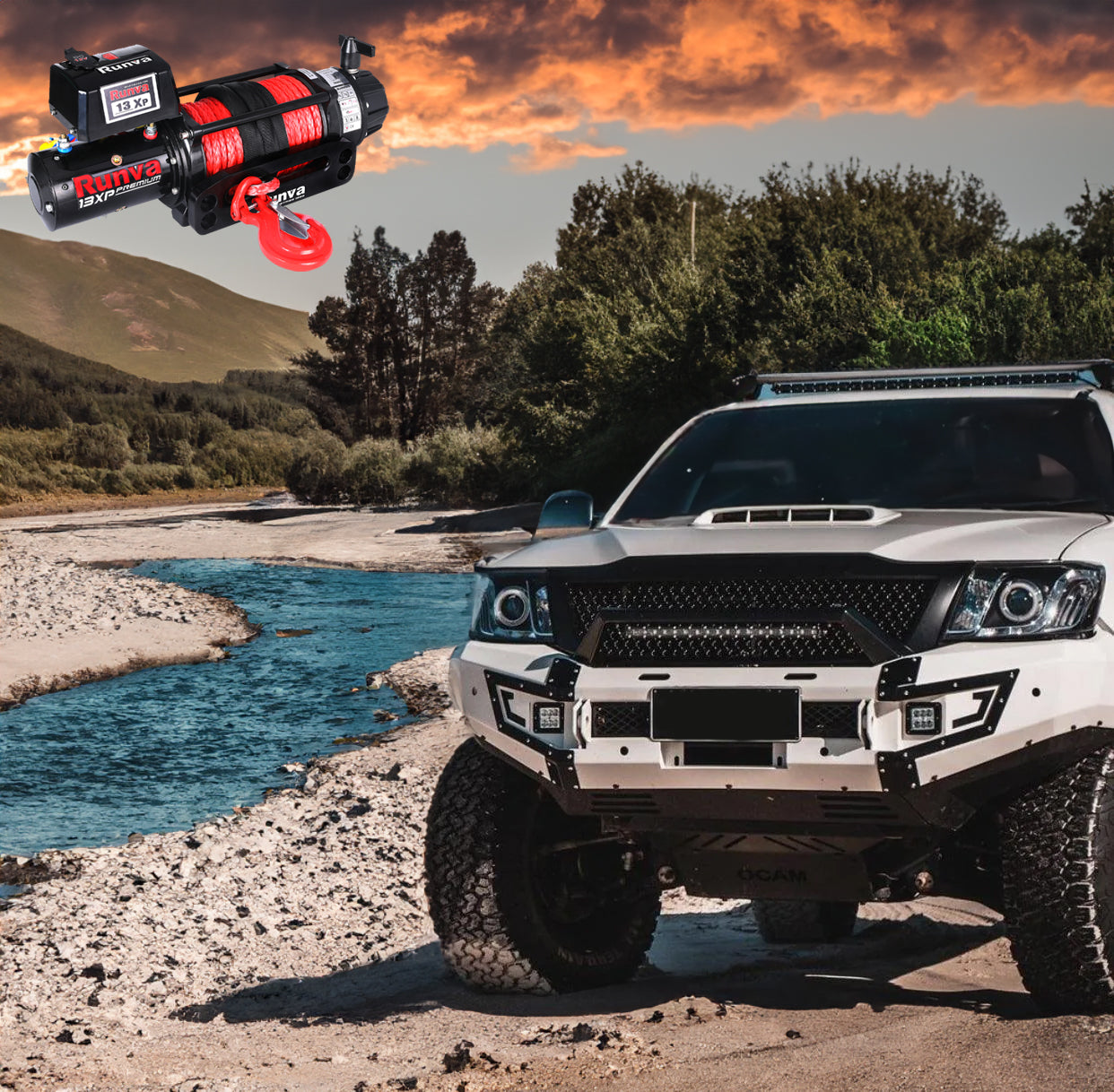
While it is possible to install winches on your vehicle without bull bars, it is advisable to prioritize their installation. The presence of a bull bar simplifies the process, making it more convenient. Regardless of your decision to incorporate a winch, as a responsible car owner, it is important to recognize that a bull bar paired with a winch consistently offers the superior option. Bull bars with winches hold a higher perceived value compared to standard bars.
ENHANCES DRIVING TERRAIN
Driving on challenging terrains can be quite demanding, but having a bull bar proves invaluable in safeguarding both you and your vehicle. This not only ensures your safety but also helps you save a considerable sum of money. While the car is highly likely to sustain damage, the cost of repairing the bull bar remains minimal.
MATERIALS
There are two primary materials commonly utilized in the production of four-wheel bars: aluminium and stainless steel. While stainless steel is not frequently employed, both materials possess their own advantages and disadvantages. Additionally, both materials can be effectively painted.
Aluminium bars are often left in their natural state, devoid of any coating, allowing for the option of polishing or leaving them raw to achieve a stunning finish. However, in order to maintain its quality, aluminium must undergo machining processes.
On the other hand, steel is comparatively heavier, which necessitates a maximum thickness of 6 mm for the materials used. Although it is a durable and cost-effective choice, steel is prone to rust if the paint deteriorates.
Typically, aluminium bars tend to be thicker than their steel counterparts. The selection of material primarily depends on the desired reduction in weight for the 4WD vehicle, as well as budget constraints and the overall design considerations.
STEEL
Steel has held its dominant position as the preferred material for bull bars for a considerable time. Many people opt for steel due to its perceived strength, making it capable of enduring animal collisions and a favored choice for rural drivers. Steel bars, apart from occasional cleaning, demand minimal maintenance, are easily fixable, and typically come at a lower cost compared to aluminum bars. However, it is worth noting that steel is significantly heavier, weighing up to 30% more than aluminum.
ALUMINIUM
Aluminium is becoming increasingly comparable to steel in terms of strength, while still maintaining a significant weight advantage. However, due to their relatively lower tensile strength and higher price tags, many enthusiasts choose to steer clear of aluminium bars.
PLASTIC
In the bull bar industry, plastics have emerged as a formidable contender. They stand out as the lightest but also the least robust among all materials. However, their advantage lies in their ease of displacement upon bending or collision. If you seek a bull bar primarily for urban environments, plastic bars are worth considering. Unlike steel or aluminum, these bars are designed to minimize harm to pedestrians, making them notably less prone to causing severe injuries in accidents.
We can see that a bullbar is an essential component of any off-road vehicle. However, you should consider some of the factors listed above when picking one out.
There are two primary materials commonly utilized in the production of four-wheel bars: aluminium and stainless steel. While stainless steel is not frequently employed, both materials possess their own advantages and disadvantages. Additionally, both materials can be effectively painted.
Aluminium bars are often left in their natural state, devoid of any coating, allowing for the option of polishing or leaving them raw to achieve a stunning finish. However, in order to maintain its quality, aluminium must undergo machining processes.
On the other hand, steel is comparatively heavier, which necessitates a maximum thickness of 6 mm for the materials used. Although it is a durable and cost-effective choice, steel is prone to rust if the paint deteriorates.
Typically, aluminium bars tend to be thicker than their steel counterparts. The selection of material primarily depends on the desired reduction in weight for the 4WD vehicle, as well as budget constraints and the overall design considerations.




OUR LATEST BLOGS

Ryco Filters
Before we delve into the benefits of RYCO air filters, let’s first understand why air filters are essential for your 4×4 vehicle. The primary function of an…
Bendix Brakes Guide
The answer’s in the name. While OEM brakes are sufficient for normal usage, they become less reliable as more and more weight is added. The closer your vehic…
Penrite Oil
Penrite has a long history of involvement in Australia motorsport, covering automotive, motorcycle, kart and boat racing. It’s involvement with Australia’s m…
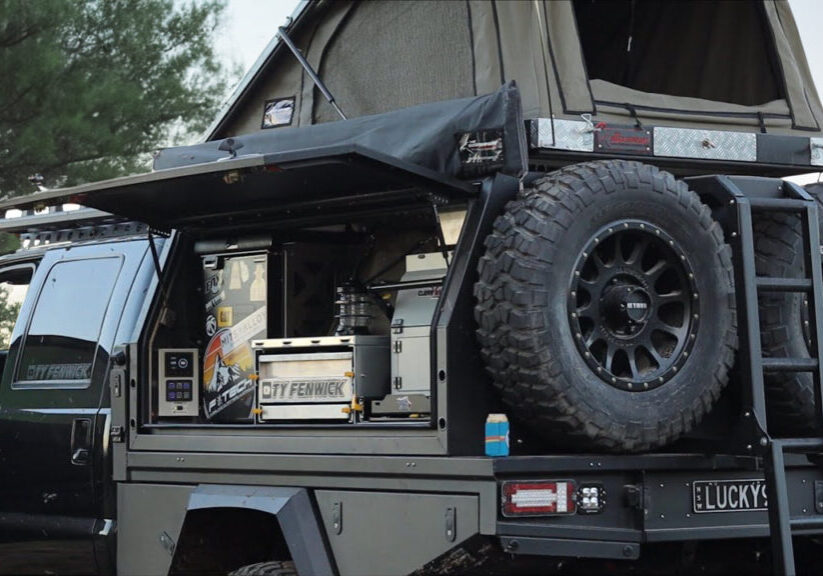
How to Maximise Your 4WD Storage Space
Knowing the vehicle’s roof-load limit and the carrying capacity of the roof rack system is crucial when packing gear onto a roof rack.