Fitting Bigger Tyres to Your 4WD
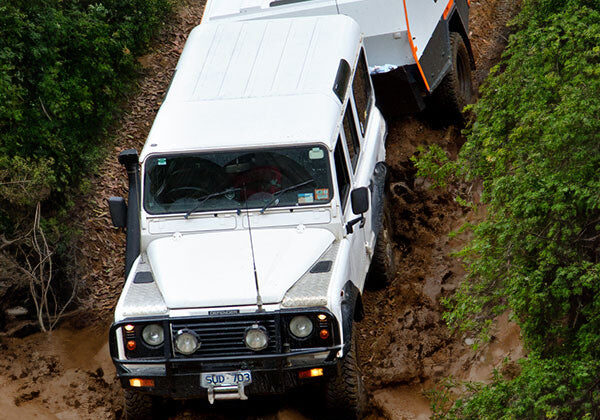
Fitting larger tires is one of the most common modifications made to a 4WD vehicle. This modification serves several purposes, with the primary goal being to increase clearance. It’s important to avoid the inconvenience of the bottom of your 4WD scraping against the ground.
While a lift kit can raise the chassis and body, the lowest point of your vehicle will always be the differential (unless it has independent suspension or portal axles).
Contrary to popular belief, a lift alone does not provide additional clearance. The only way to achieve genuine clearance is by installing larger tires.
However, it’s essential to consider that bolting on larger tires entails more than just the act itself. Every modification comes with a cost, and the installation of larger tires on your 4WD is no exception.
If you’re wondering, “Can I install bigger tires on my car?” this post covers everything you need to know, including legal aspects, advantages, disadvantages, and everything in between.
WHY GO BIGGER?
Increasing tyre size has several advantages; however, it is essential to remember that there are drawbacks linked to 4WD accessories and modifications. It is crucial not to ignore these downsides, as one potential disadvantage could be the invalidation of your insurance if your vehicle fails to meet legal requirements. Furthermore, subpar handling can also be a notable concern. Therefore, before making any alterations, it is crucial to carefully assess the potential implications that may render your 4WD vehicle illegal. Considering the significant risks involved, this evaluation becomes of utmost importance.
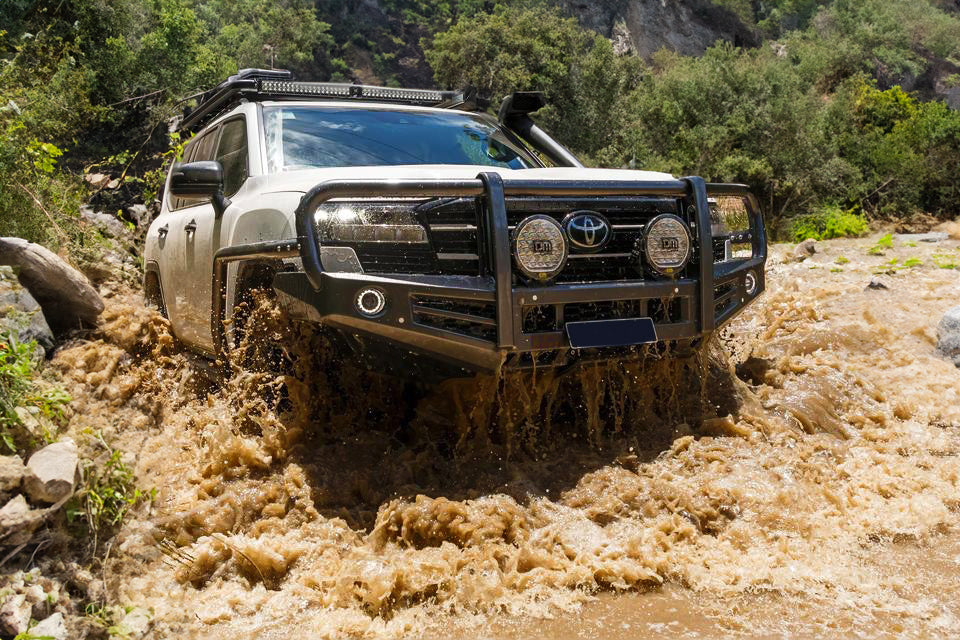
MORE CLEARANCE
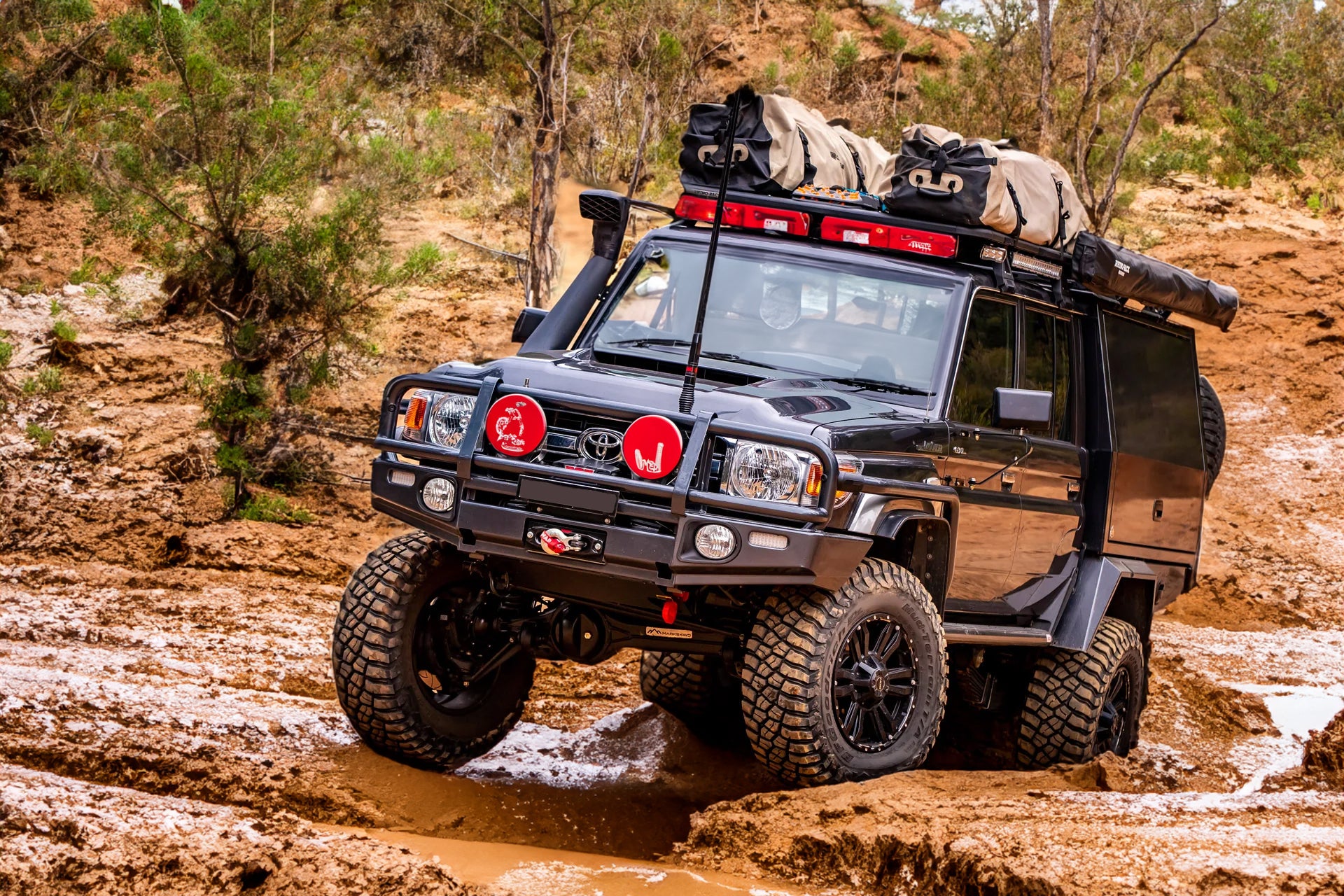
To obtain a significant increase in ground clearance for your 4WD, the most effective method is to install larger tires. However, there is an alternative option, albeit an expensive one, which involves installing portal diffs from Mark’s Adaptors. Nonetheless, the high cost makes this choice unaffordable for the majority of individuals.
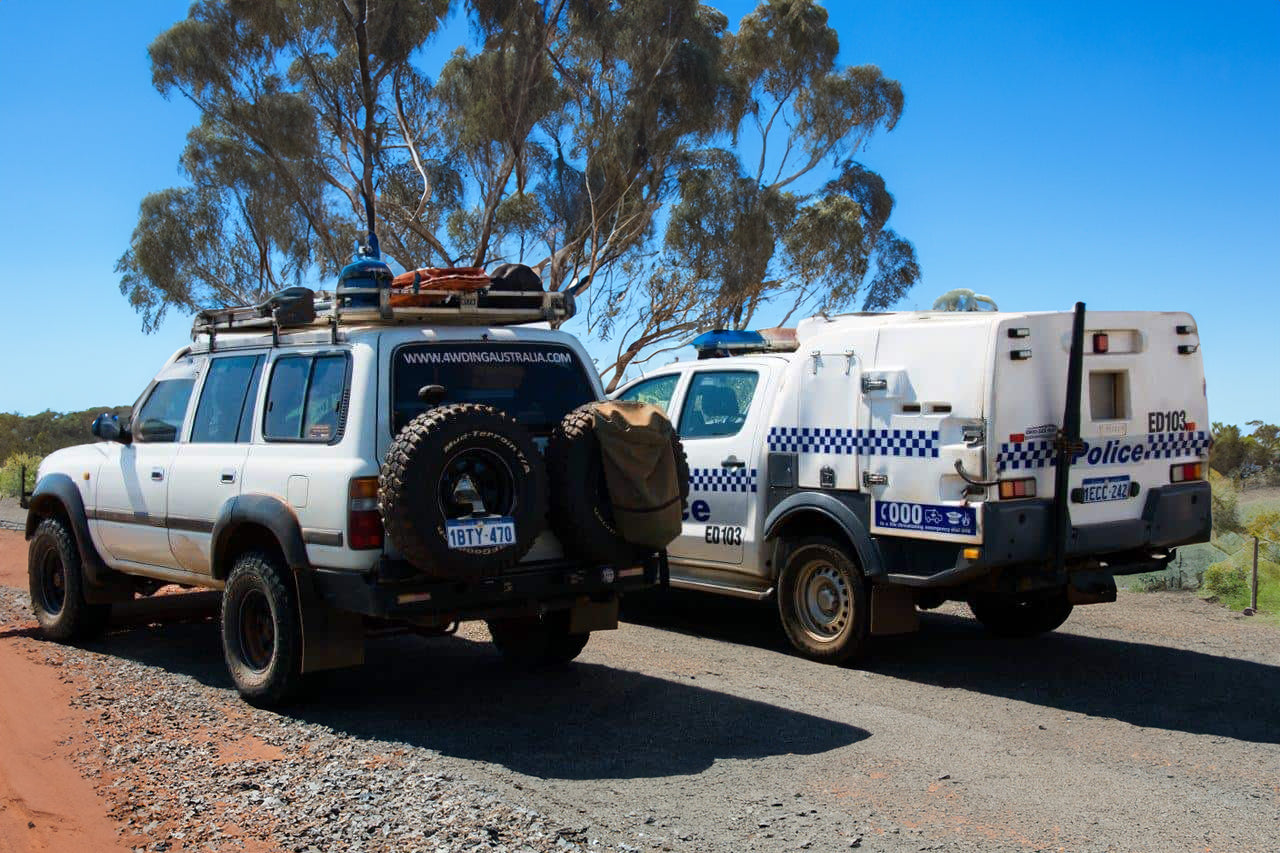
MORE TRACTION
Increasing the size of the tires allows for more rubber to make contact with the ground, leading to improved traction and flotation. Consequently, vehicles equipped with taller tires exhibit enhanced performance on sandy beaches. The larger surface area in contact with the sand reduces the weight per unit area, reducing the risk of sinking.
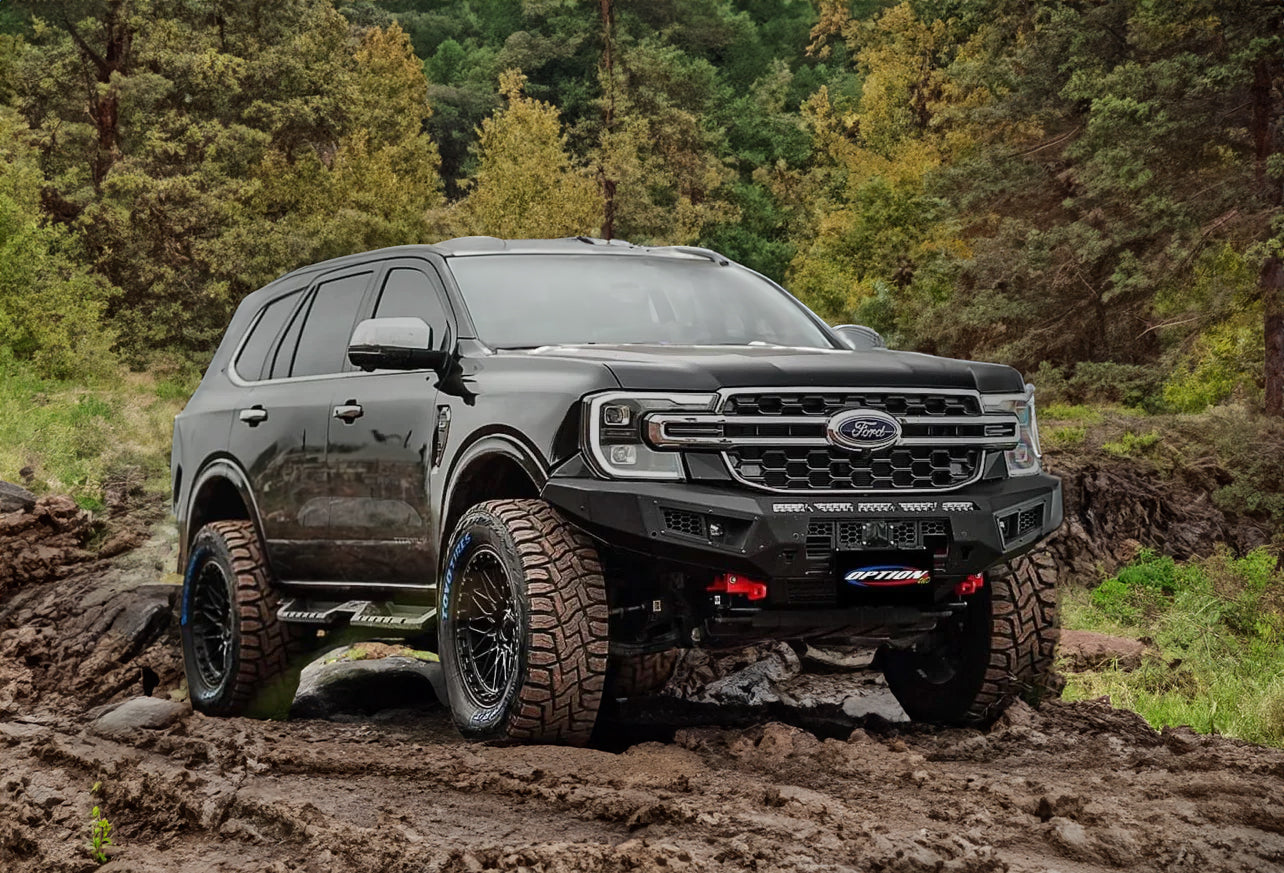
LOOKS TOUGH
I almost excluded this item from the list, but the truth is, there are individuals who genuinely value it. Having one or two larger tires enhances the visual appeal of a 4WD vehicle.
However, if modifying your vehicle for this specific purpose is not your main intention, I recommend disregarding it altogether and opting for a set of mud tires or investing in a new set of rims instead. Personally, I prioritize functionality over aesthetics, but not everyone shares this perspective.
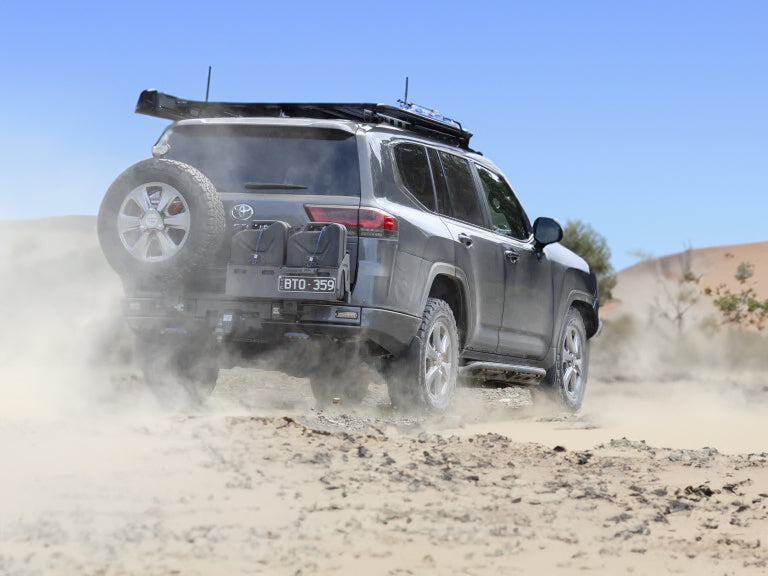
HOW MUCH DIFFERENCE DOES IT REALLY MAKE?
Moreover, bigger tires offer improved traction and stability due to a larger contact patch with the ground. This can be particularly advantageous in off-road conditions, where the vehicle needs enhanced grip to tackle challenging terrains such as mud, sand, or rocks. Additionally, larger tires can positively affect the vehicle’s approach and departure angles, allowing for steeper ascents and descents without damaging the bumpers or other components. However, it is crucial to note that going for significantly larger tires may also have some downsides. It can affect the vehicle’s gearing, resulting in a loss of power and fuel efficiency. Furthermore, larger tires can put additional strain on the suspension and drivetrain components, potentially leading to increased wear and tear.
ARE YOU ALLOWED TO RUN BIGGER TYRES?
Most people go for 1 or 2″ bigger tyres, giving you 12.5mm or 25mm of additional clearance. It’s not much, is it really?!
For WA, there are limitations on both the width and height, whereby drivers can only increase tyre size by 50mm in diameter. Note: If you increase tyres to this size, it will increase the overall height of your vehicle and therefore limiting your lift kit to a total of 1 inch.
ARE WIDER TYRES BETTER?
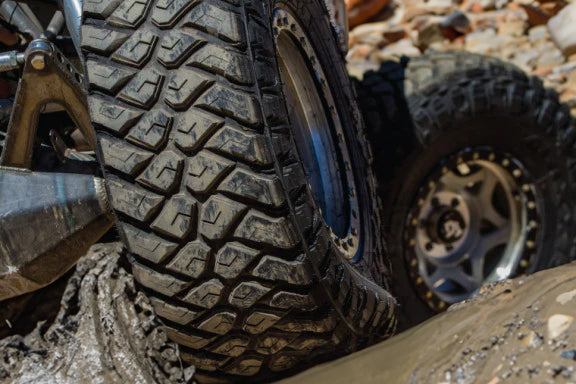
Wider tires have a larger contact patch with the ground, which helps distribute the weight of the vehicle over a larger area. This can prevent the vehicle from sinking into soft or loose surfaces like sand, mud, or snow, providing better floatation and traction.
Wider tires can provide increased stability, especially on uneven terrain. The broader footprint improves lateral grip, reducing the risk of tipping over during off-camber situations.
In rock crawling scenarios, wider tires may not necessarily be advantageous. Narrower tires can fit into gaps and crevices more easily, allowing for better maneuverability in tight spaces.
Wider tires tend to have higher rolling resistance, which can result in reduced fuel efficiency on regular roads. However, this may not be a significant concern if you primarily use your vehicle for off-roading.
It’s important to note that tire width is just one aspect of off-road performance. Other factors such as tread pattern, tire compound, sidewall construction, and overall tire quality also play crucial roles.
SPEEDOMETER INACCURACY
When you drive a 4WD vehicle with different tires, it’s crucial to note that the speedometer might not provide accurate readings. If you happen to purchase a used 4WD without being informed about this issue by the previous owner, you risk facing penalties or even more severe consequences.
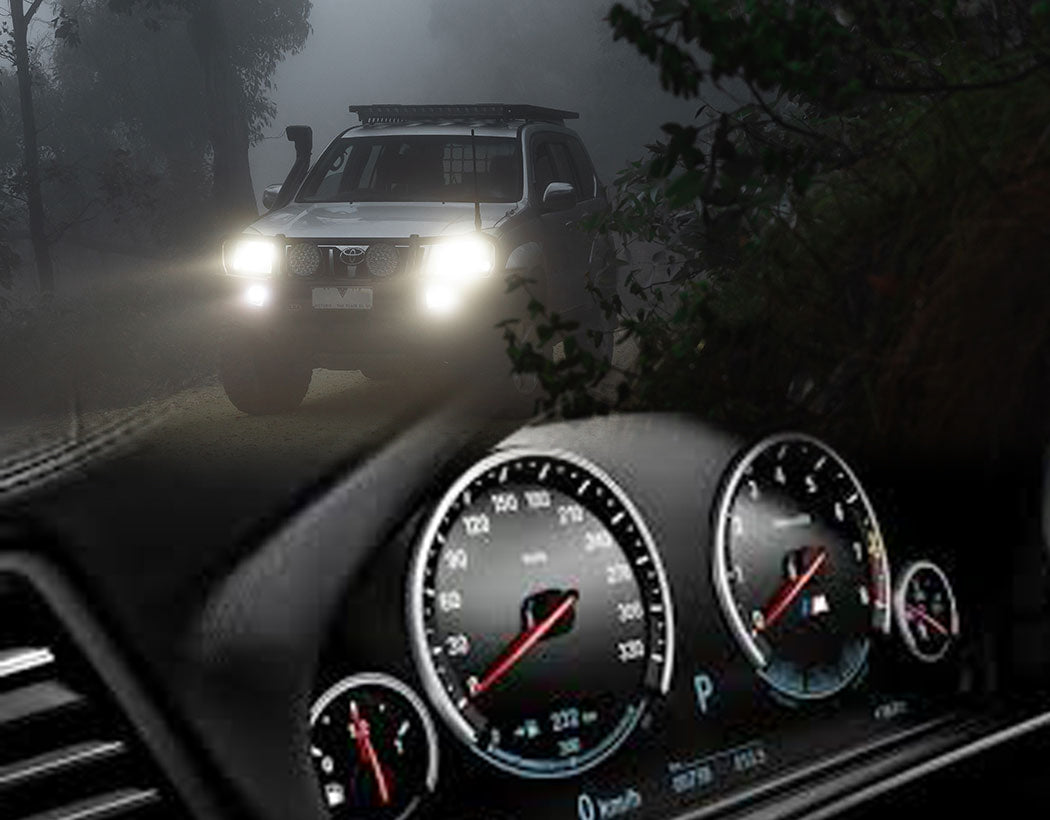
The speedometer, trip meter, and odometer will be affected by the percentage of size increase in the tires. For instance, if the diameter increases by 50mm (from 31″ to 33″ or from 33″ to 35″), the speedometer will be approximately 10% off. It’s important to understand that this discrepancy varies among different cars, but it’s a detail worth paying attention to.
According to the law, the speedometer can only deviate by up to 10% (although it may seem excessive for new cars to have such a variation). Nevertheless, it’s essential to stay aware of this fact.
LESS POWER AND TORQUE
The tires on your 4WD function as the final component in your gear train, comparable to replacing a sprocket in a chain drive. This change affects the output power and torque. When you install larger tires, your vehicle will cover fewer revolutions per kilometer, but it will require more effort to achieve that. It’s important to note that the impact may vary depending on the specific vehicle. However, in most cases, there will be a discernible alteration in power and torque. Diesel 4WD vehicles may appear to maintain their momentum effortlessly, but the effects are still noticeable.
DECREASED BRAKING
The main factor leading to restrictions on installing larger tires is the decrease in braking efficiency. As the diameter of the tire increases, the ability to brake effectively diminishes. This is a significant matter since it is crucial for your brakes to perform optimally. However, as long as you adhere to the legal regulations set by your state, you won’t encounter any problems.
POTENTIAL SCRUBBING
There is a rationale behind the tire size chosen for 4WD vehicles. While it may be possible to accommodate slightly larger tires on your 4WD, going several sizes up will lead to tight clearances. Initially, you will observe the tires coming into contact with the inner guards, typically at the front, or the bull bar.
If the rubbing is only minimal, you might be able to manage, but keep in mind that when the suspension compresses upwards, it will move closer to the guards. The only solution is to modify the 4WD, which is not impossible but a challenging and costly endeavor that can become difficult to halt once you begin.
YELLOW STICKER
You know those yellow stickers that get handed out regularly, which basically say your vehicle is not roadworthy? Bigger tyres are one of the easiest ways to attract attention to your 4WD, and are often the reason for yellow stickers given to 4WD’s.
However, a yellow sticker is the least of your worries. If you are driving a vehicle that is not compliant with the local regulations, your insurance company can walk away from any claim you make. If you rear end a Ferrari, or you seriously injure yourself, you could end up with a massive bill that you have to pay.
Even worse, if you are found to have caused an accident that injures (or kills) someone because of the bigger tyres (or other illegal modifications) you could even go to jail. It’s not worth it – do things by the book!
Fitting larger tires is one of the most common modifications made to a 4WD vehicle. This modification serves several purposes, with the primary goal being to increase clearance. It’s important to avoid the inconvenience of the bottom of your 4WD scraping against the ground.
While a lift kit can raise the chassis and body, the lowest point of your vehicle will always be the differential (unless it has independent suspension or portal axles).
Contrary to popular belief, a lift alone does not provide additional clearance. The only way to achieve genuine clearance is by installing larger tires.
However, it’s essential to consider that bolting on larger tires entails more than just the act itself. Every modification comes with a cost, and the installation of larger tires on your 4WD is no exception.
If you’re wondering, “Can I install bigger tires on my car?” this post covers everything you need to know, including legal aspects, advantages, disadvantages, and everything in between.
I almost excluded this item from the list, but the truth is, there are individuals who genuinely value it. Having one or two larger tires enhances the visual appeal of a 4WD vehicle.
However, if modifying your vehicle for this specific purpose is not your main intention, I recommend disregarding it altogether and opting for a set of mud tires or investing in a new set of rims instead. Personally, I prioritize functionality over aesthetics, but not everyone shares this perspective.
Most people go for 1 or 2″ bigger tyres, giving you 12.5mm or 25mm of additional clearance. It’s not much, is it really?!
For WA, there are limitations on both the width and height, whereby drivers can only increase tyre size by 50mm in diameter.
Note: If you increase tyres to this size, it will increase the overall height of your vehicle and therefore limiting your lift kit to a total of 1 inch.
Wider tires have a larger contact patch with the ground, which helps distribute the weight of the vehicle over a larger area. This can prevent the vehicle from sinking into soft or loose surfaces like sand, mud, or snow, providing better floatation and traction.
Wider tires can provide increased stability, especially on uneven terrain. The broader footprint improves lateral grip, reducing the risk of tipping over during off-camber situations.
In rock crawling scenarios, wider tires may not necessarily be advantageous. Narrower tires can fit into gaps and crevices more easily, allowing for better maneuverability in tight spaces.
Wider tires tend to have higher rolling resistance, which can result in reduced fuel efficiency on regular roads. However, this may not be a significant concern if you primarily use your vehicle for off-roading.
It’s important to note that tire width is just one aspect of off-road performance. Other factors such as tread pattern, tire compound, sidewall construction, and overall tire quality also play crucial roles.
When you drive a 4WD vehicle with different tires, it’s crucial to note that the speedometer might not provide accurate readings. If you happen to purchase a used 4WD without being informed about this issue by the previous owner, you risk facing penalties or even more severe consequences.
The speedometer, trip meter, and odometer will be affected by the percentage of size increase in the tires. For instance, if the diameter increases by 50mm (from 31″ to 33″ or from 33″ to 35″), the speedometer will be approximately 10% off. It’s important to understand that this discrepancy varies among different cars, but it’s a detail worth paying attention to.
According to the law, the speedometer can only deviate by up to 10% (although it may seem excessive for new cars to have such a variation). Nevertheless, it’s essential to stay aware of this fact.
There is a rationale behind the tire size chosen for 4WD vehicles. While it may be possible to accommodate slightly larger tires on your 4WD, going several sizes up will lead to tight clearances. Initially, you will observe the tires coming into contact with the inner guards, typically at the front, or the bull bar.
If the rubbing is only minimal, you might be able to manage, but keep in mind that when the suspension compresses upwards, it will move closer to the guards. The only solution is to modify the 4WD, which is not impossible but a challenging and costly endeavor that can become difficult to halt once you begin.
You know those yellow stickers that get handed out regularly, which basically say your vehicle is not roadworthy? Bigger tyres are one of the easiest ways to attract attention to your 4WD, and are often the reason for yellow stickers given to 4WD’s.
However, a yellow sticker is the least of your worries. If you are driving a vehicle that is not compliant with the local regulations, your insurance company can walk away from any claim you make. If you rear end a Ferrari, or you seriously injure yourself, you could end up with a massive bill that you have to pay.
Even worse, if you are found to have caused an accident that injures (or kills) someone because of the bigger tyres (or other illegal modifications) you could even go to jail. It’s not worth it – do things by the book!




OUR LATEST BLOGS

Ryco Filters
Before we delve into the benefits of RYCO air filters, let’s first understand why air filters are essential for your 4×4 vehicle. The primary function of an…
Bendix Brakes Guide
The answer’s in the name. While OEM brakes are sufficient for normal usage, they become less reliable as more and more weight is added. The closer your vehic…
Penrite Oil
Penrite has a long history of involvement in Australia motorsport, covering automotive, motorcycle, kart and boat racing. It’s involvement with Australia’s m…
How to Maximise Your 4WD Storage Space
Knowing the vehicle’s roof-load limit and the carrying capacity of the roof rack system is crucial when packing gear onto a roof rack.