Principles of Leave No Trace
Imagine a peaceful camping weekend in a picturesque location, where serenity abounds and worries dissipate. What could possibly mar such a blissful experience? Well, apart from the possibility of forgetting essential camping gear or misplacing the cooler box filled with meat, let’s delve deeper into the matter.
Have we considered the environmental implications of our chosen destination? The Leave No Trail initiative endeavors to minimize our impact on the environment when we embark on camping, hiking, or 4×4 adventures. While many of us already make significant efforts in this regard, there is always room for improvement.
Before your next excursion, make sure you acquaint yourself with proper 4×4 etiquette by following these Leave No Trail tips.
FAILING TO PLAN, IS PLANNING TO FAIL (PLAN AHEAD AND PREPARE)
To ensure a seamless and respectful trip, prioritize thorough planning while keeping 4×4 etiquette in mind. Create a checklist encompassing essential elements such as food, camping gear, 4×4 equipment, and recovery gear; it will serve as your invaluable companion throughout the process.
When it comes to food, do yourself a favor and consider investing in a portable fridge for your 4WD vehicle—it works like magic! Additionally, optimize your storage system for efficient 4×4 organization to minimize the bulkiness of your luggage.
As part of your pre-trip preparations, take the time to acquaint yourself with the rules and regulations specific to the camping site you’ll be visiting. This way, you can ensure compliance and make necessary arrangements accordingly.
STAY ON TRACK
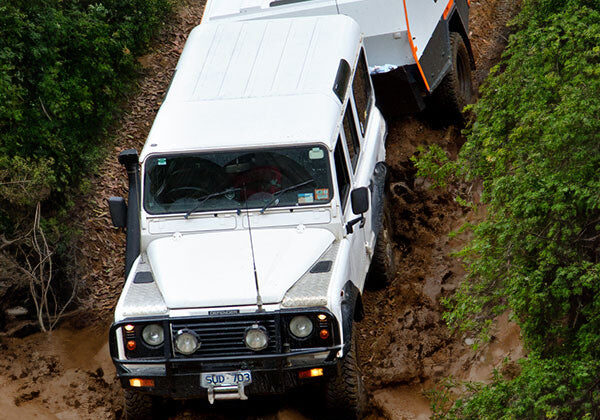
Sensitive fauna and flora inhabit many parks and outback areas, making it crucial to minimize disturbance in their natural habitat.
Regrettably, 4X4 vehicles, in addition to other environmental disruptions, contribute significantly to noise and air pollution. Hence, it is essential to adhere to designated tracks as closely as possible to minimize the impact on the surrounding landscape and wildlife.
To ensure a safe journey from A to B, a reliable compass is invaluable. Alternatively, consider equipping your 4WD with a UHF radio, enabling communication with relevant parties in case you deviate from established routes.
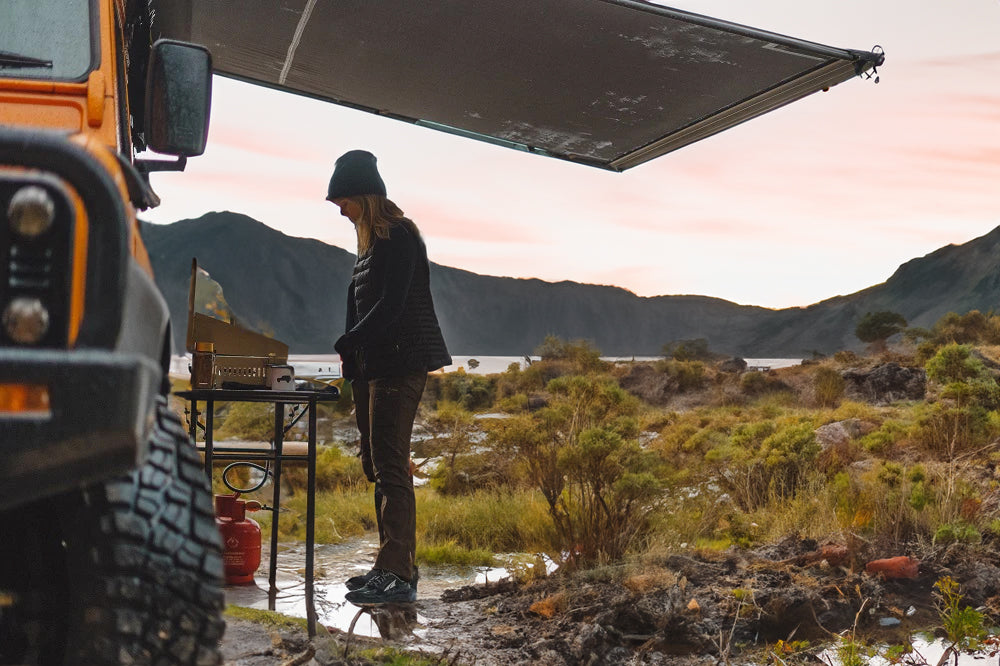
LEAVE ALL STONES UNTURNED (LEAVE WHAT YOU FIND AND PROTECT WILDLIFE)
In adherence to 4×4 etiquette, it is essential to maintain the environment in its original state or even improve it, if possible.
Keep a safe distance from wildlife to minimize their stress levels, and make a conscious effort not to disturb or interact with natural objects or vegetation. It’s worth noting that kangaroos can be unpredictable, so we suggest installing a ShuRoo in your vehicle. This device will help detect them and prevent any unexpected situations.
To prevent any harm to the environment, it’s advisable to set up your campsite at a significant distance from water sources, wildlife habitats, and dense vegetation. This precaution ensures the preservation of these areas.

RANK THE CAMP (CAMP ON DURABLE SURFACES)
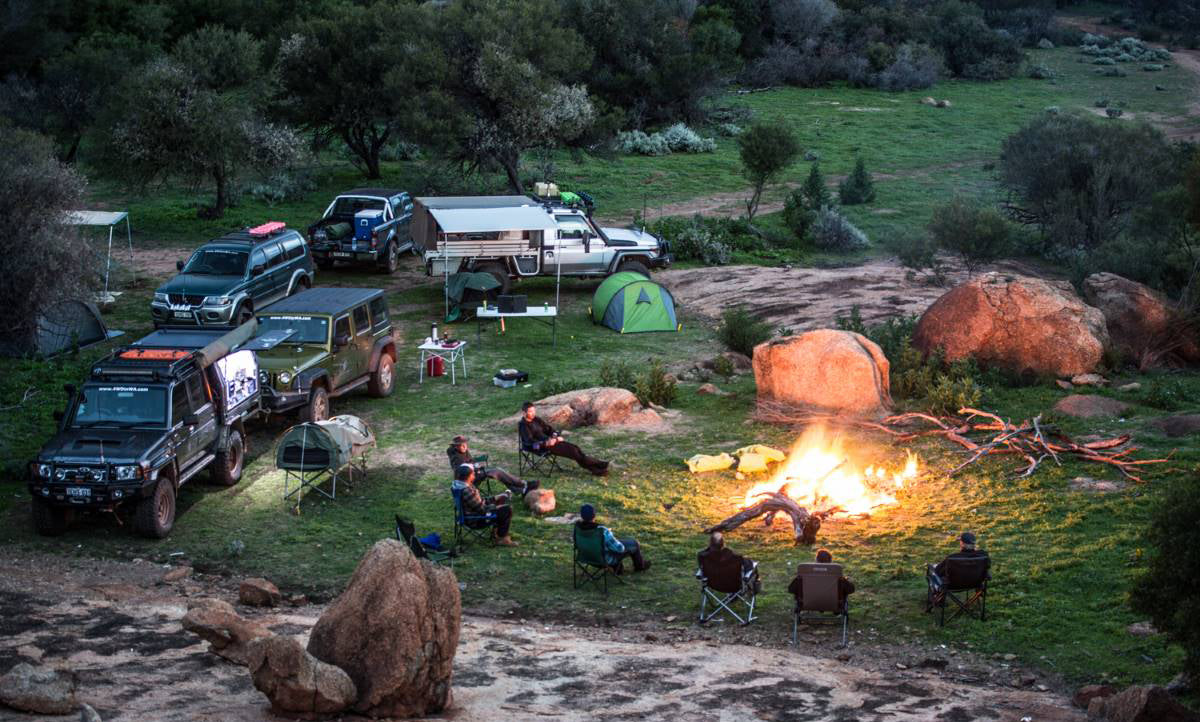
To support the Leave No Trace movement, several factors should be considered when choosing the perfect campsite for setup.
Make sure to select a camping site with level and stable ground, and an environment capable of accommodating campers.
To minimize the environmental impact, aim to keep the campsite as small as possible. Consider using rooftop tents if you prefer to stay elevated, as they also contribute to maintaining a compact campsite.
PARK ON A SOLID SURFACE
Ensure your car is parked on a stable ground, avoiding any vegetation or trees that could be harmed by the vehicle’s weight or pedestrian traffic. Consider acquiring a robust canopy if necessary, to shield both your car and campsite from sunlight and other environmental factors.
STICK TO THE TRAILS
If you decide to embark on a hike, it is advisable to stay on the designated trails and ensure you have an ample supply of food and water to sustain you throughout the entire trek.
DITCH THE TRASH (RESPONSIBLY!)
(DISPOSE OF WASTE PROPERLY)
The Leave No Trace movement places significant emphasis on conscientious and responsible waste disposal. Prior to embarking on your camping expedition, consider repackaging food items and camping equipment into reusable containers to reduce your impact on the camping environment.
In the event that you encounter any trash or litter during your journey, it is important to take the correct course of action and pick it up. Collaboration is essential as we all strive towards a common goal.
If your campsite lacks facilities for personal hygiene, it is advisable to utilize biodegradable soaps for bathing and dishwashing. Additionally, all waste related to bodily functions must be disposed of properly.
FEAR THE FIRE – (MINIMISE CAMPFIRE IMPACTS)
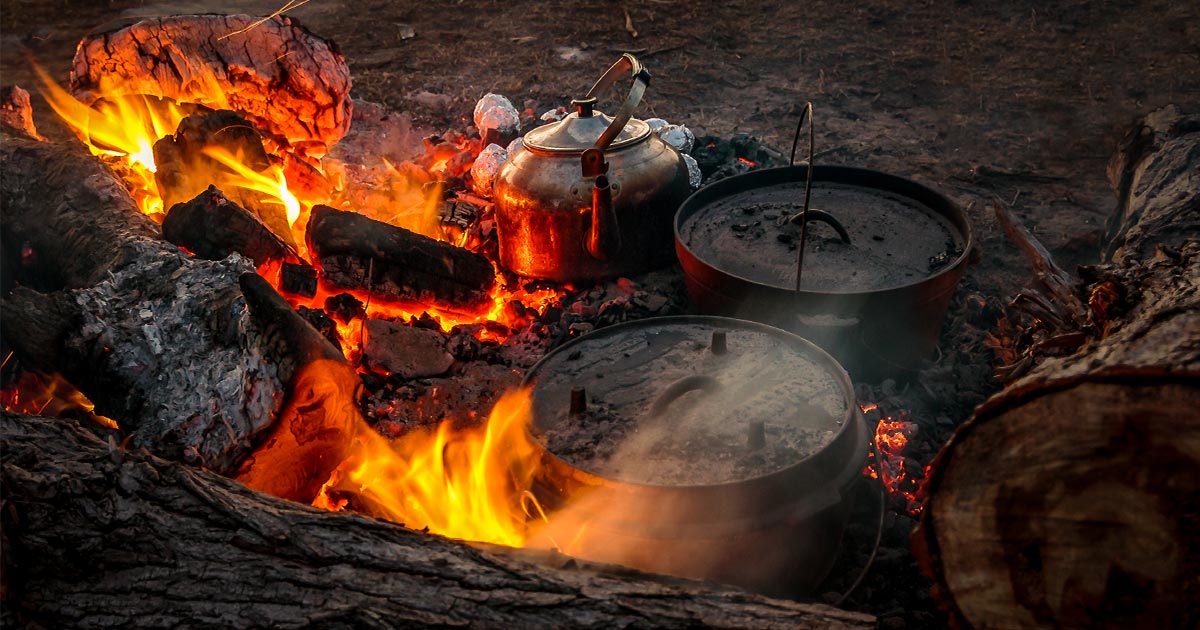
Fire, a highly destructive element, demands our attention in light of recent devastating wildfires that ravaged a significant portion of the country, causing extensive damage to wildlife and land. It is crucial that any campfires ignited are constantly supervised, around the clock.
Exercise caution by limiting the size of the fire to prevent its spread, and do not retire for the night until all embers have completely burned out.
In alignment with the principles of the Leave No Trace movement, campers are encouraged to explore alternative methods whenever possible and use only campsite-approved wood.
For added safety measures, equip yourself with a reliable fire extinguisher and keep it stored in your vehicle at all times.
R.E.S.P.E.C.T. – (BE CONSCIOUS OF OTHER VISITORS)
Just as it is important to respect and care for our surroundings, it is equally important to show consideration for our neighbors. This includes being mindful of other visitors and allowing them to enjoy the campsite as much as you do.
To achieve this, it is courteous to yield to others on the track or trail, maintain quiet voices (slightly louder than a whisper), refrain from playing loud music, and comply with any other campsite regulations.
If the campsite permits pets and you plan to bring your furry companions, make sure they are leashed when necessary and do not disturb the camping experience of others nearby.
Ultimately, practicing proper 4X4 etiquette is crucial, and each of us has a role to play.
While we may strive to minimize our impact on the environment and wildlife during camping trips, it is important to recognize that our presence does have an effect in some way. Therefore, the Leave No Trace movement has been established to guide campers in minimizing their impact on the surrounding area. Taking a moment to review these principles before each trip will help refresh your memory and enable you to educate others.
Sensitive fauna and flora inhabit many parks and outback areas, making it crucial to minimize disturbance in their natural habitat.
Regrettably, 4X4 vehicles, in addition to other environmental disruptions, contribute significantly to noise and air pollution. Hence, it is essential to adhere to designated tracks as closely as possible to minimize the impact on the surrounding landscape and wildlife.
To ensure a safe journey from A to B, a reliable compass is invaluable. Alternatively, consider equipping your 4WD with a UHF radio, enabling communication with relevant parties in case you deviate from established routes.
Make sure to select a camping site with level and stable ground, and an environment capable of accommodating campers.
To minimize the environmental impact, aim to keep the campsite as small as possible. Consider using rooftop tents if you prefer to stay elevated, as they also contribute to maintaining a compact campsite.
Fire, a highly destructive element, demands our attention in light of recent devastating wildfires that ravaged a significant portion of the country, causing extensive damage to wildlife and land. It is crucial that any campfires ignited are constantly supervised, around the clock.
Exercise caution by limiting the size of the fire to prevent its spread, and do not retire for the night until all embers have completely burned out.
In alignment with the principles of the Leave No Trace movement, campers are encouraged to explore alternative methods whenever possible and use only campsite-approved wood.
For added safety measures, equip yourself with a reliable fire extinguisher and keep it stored in your vehicle at all times.
Just as it is important to respect and care for our surroundings, it is equally important to show consideration for our neighbors. This includes being mindful of other visitors and allowing them to enjoy the campsite as much as you do.
To achieve this, it is courteous to yield to others on the track or trail, maintain quiet voices (slightly louder than a whisper), refrain from playing loud music, and comply with any other campsite regulations.
If the campsite permits pets and you plan to bring your furry companions, make sure they are leashed when necessary and do not disturb the camping experience of others nearby.
Ultimately, practicing proper 4X4 etiquette is crucial, and each of us has a role to play.
While we may strive to minimize our impact on the environment and wildlife during camping trips, it is important to recognize that our presence does have an effect in some way. Therefore, the Leave No Trace movement has been established to guide campers in minimizing their impact on the surrounding area. Taking a moment to review these principles before each trip will help refresh your memory and enable you to educate others.
Imagine a peaceful camping weekend in a picturesque location, where serenity abounds and worries dissipate. What could possibly mar such a blissful experience? Well, apart from the possibility of forgetting essential camping gear or misplacing the cooler box filled with meat, let’s delve deeper into the matter.
Have we considered the environmental implications of our chosen destination? The Leave No Trail initiative endeavors to minimize our impact on the environment when we embark on camping, hiking, or 4×4 adventures. While many of us already make significant efforts in this regard, there is always room for improvement.
Before your next excursion, make sure you acquaint yourself with proper 4×4 etiquette by following these Leave No Trail tips.
To ensure a seamless and respectful trip, prioritize thorough planning while keeping 4×4 etiquette in mind. Create a checklist encompassing essential elements such as food, camping gear, 4×4 equipment, and recovery gear; it will serve as your invaluable companion throughout the process.
When it comes to food, do yourself a favor and consider investing in a portable fridge for your 4WD vehicle—it works like magic! Additionally, optimize your storage system for efficient 4×4 organization to minimize the bulkiness of your luggage.
As part of your pre-trip preparations, take the time to acquaint yourself with the rules and regulations specific to the camping site you’ll be visiting. This way, you can ensure compliance and make necessary arrangements accordingly.
In adherence to 4×4 etiquette, it is essential to maintain the environment in its original state or even improve it, if possible.
Keep a safe distance from wildlife to minimize their stress levels, and make a conscious effort not to disturb or interact with natural objects or vegetation. It’s worth noting that kangaroos can be unpredictable, so we suggest installing a ShuRoo in your vehicle. This device will help detect them and prevent any unexpected situations.
To prevent any harm to the environment, it’s advisable to set up your campsite at a significant distance from water sources, wildlife habitats, and dense vegetation. This precaution ensures the preservation of these areas.
The Leave No Trace movement places significant emphasis on conscientious and responsible waste disposal. Prior to embarking on your camping expedition, consider repackaging food items and camping equipment into reusable containers to reduce your impact on the camping environment.
In the event that you encounter any trash or litter during your journey, it is important to take the correct course of action and pick it up. Collaboration is essential as we all strive towards a common goal.
If your campsite lacks facilities for personal hygiene, it is advisable to utilize biodegradable soaps for bathing and dishwashing. Additionally, all waste related to bodily functions must be disposed of properly.





OUR LATEST BLOGS

Ryco Filters
Before we delve into the benefits of RYCO air filters, let’s first understand why air filters are essential for your 4×4 vehicle. The primary function of an…

Bendix Brakes Guide
The answer’s in the name. While OEM brakes are sufficient for normal usage, they become less reliable as more and more weight is added. The closer your vehic…
Penrite Oil
Penrite has a long history of involvement in Australia motorsport, covering automotive, motorcycle, kart and boat racing. It’s involvement with Australia’s m…
How to Maximise Your 4WD Storage Space
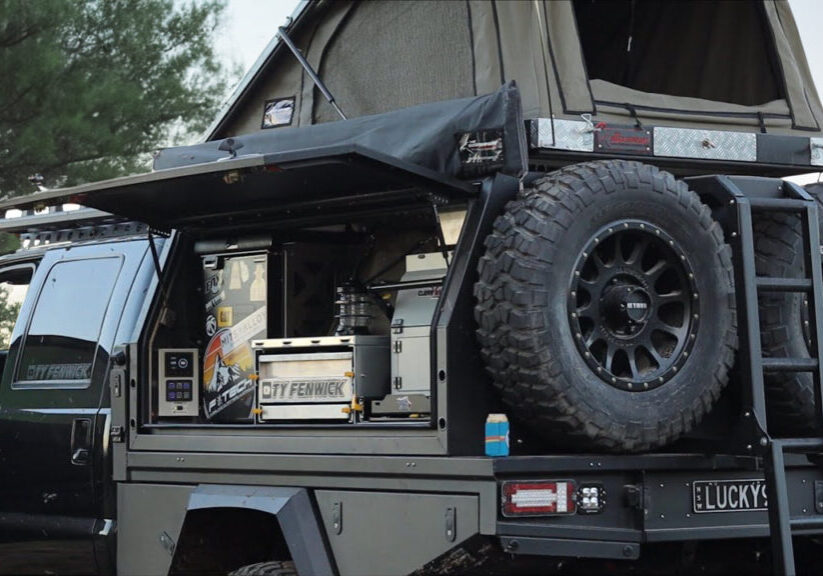
Knowing the vehicle’s roof-load limit and the carrying capacity of the roof rack system is crucial when packing gear onto a roof rack.